
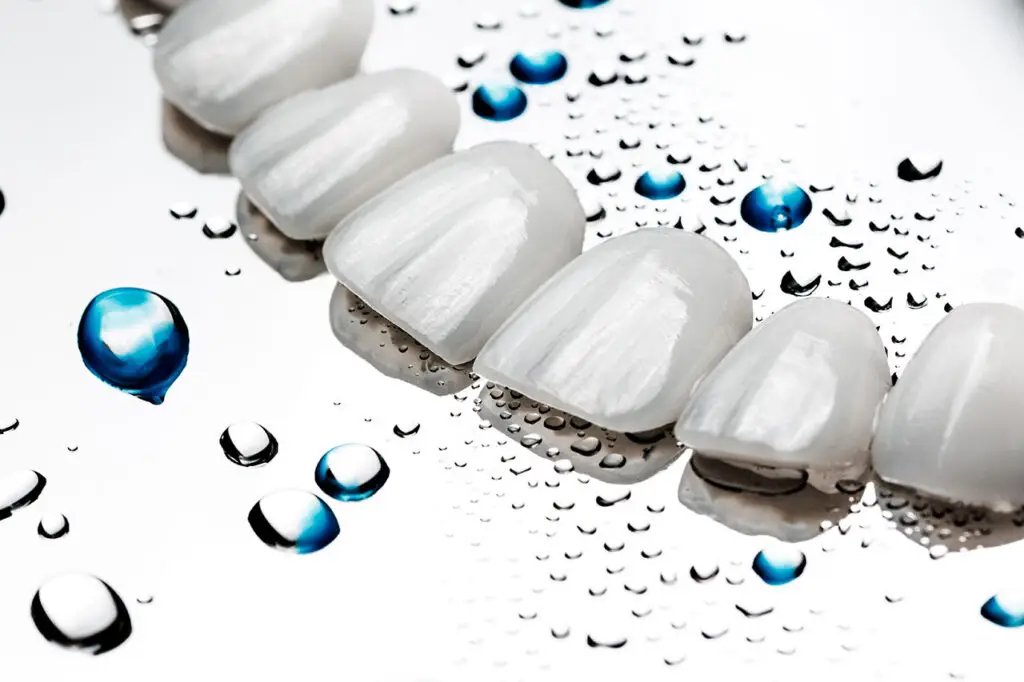
What if several cosmetic concerns could be addressed through one carefully planned treatment? When patients want to change the color, shape, proportions, or appearance of certain teeth, porcelain veneers may provide an option that combines several cosmetic goals into a single treatment plan.
However, choosing porcelain veneers in Naples should involve more than selecting a shade from a chart. Natural-looking cosmetic dentistry depends on thoughtful planning, appropriate proportions, careful preparation, and a result designed to complement your individual features.
At The Dental Boutique Naples, veneers can be considered for patients who want to address concerns such as discoloration, chipped edges, small spaces, uneven shapes, or other cosmetic issues. Understanding what veneers can and cannot do is an important part of deciding whether they fit your goals.
What Are Porcelain Veneers?
Porcelain veneers are thin ceramic restorations that are bonded to the visible surfaces of selected teeth. Rather than covering the entire tooth like a dental crown, a veneer primarily changes the appearance of the front-facing portion.
The ceramic can be designed to influence several characteristics, including tooth color, apparent shape, width, length, symmetry, and proportions.
However, successful veneer treatment should not make every tooth look identical. Natural teeth have subtle variations in translucency, contour, and surface texture. Thoughtful cosmetic treatment uses those details to create a polished result that still looks appropriate for the individual patient.
What Can Porcelain Veneers Correct?
Veneers are versatile, but they are not the correct solution for every cosmetic concern.
They may be considered for teeth with stubborn discoloration that does not respond as desired to whitening. They can also help improve the appearance of small chips, worn edges, uneven tooth shapes, or certain spaces.
In some cases, veneers can make mildly irregular teeth appear more uniform. However, significant crowding or bite concerns may be better addressed with orthodontic treatment first.
For example, Invisalign clear aligners may be appropriate when the primary concern is tooth position rather than tooth shape or color. A comprehensive cosmetic consultation helps determine which treatment, or combination of treatments, makes the most sense.
How Are Veneers Designed to Look Natural?
One of the most common concerns patients have about cosmetic dentistry is whether the result will look obvious. Natural-looking veneers depend on much more than choosing a white shade.
Color is only one element. Tooth length, width, curvature, edge shape, surface texture, translucency, and the relationship between neighboring teeth all contribute to appearance.
In addition, your existing smile, facial proportions, and personal preferences should influence the design. Some patients want a noticeable cosmetic change, while others want a subtle refinement that friends may notice without knowing exactly what changed.
Good communication during planning is therefore essential. Explain what you like, what you would prefer to change, and how natural or dramatic you want the result to appear.
Benefits of Porcelain Veneers
When veneers are appropriate for a patient’s needs, they can address several cosmetic characteristics at the same time.
- Customized appearance: Veneers can be designed according to individual tooth proportions, shade preferences, and smile characteristics.
- Multiple cosmetic concerns addressed together: Treatment may improve the appearance of color, shape, minor spacing, chips, and uneven edges.
- Natural-looking ceramic: Quality porcelain can reproduce visual characteristics associated with natural enamel.
- Stain resistance: Porcelain is resistant to many of the stains that affect natural enamel.
- Durability: With appropriate care, porcelain veneers are designed to provide a lasting cosmetic restoration.
- Individual treatment planning: Veneers can be designed for selected teeth rather than requiring the same treatment for every visible tooth.
- Opportunity for detailed smile planning: Modern digital tools can help patients and dentists discuss proportions and anticipated cosmetic changes before treatment is completed.
Does Getting Veneers Require Removing Tooth Structure?
Porcelain veneers commonly require some preparation of the tooth surface so the restoration can fit naturally and bond appropriately. The amount varies according to the tooth, the desired change, and the type of restoration.
This is one reason the decision deserves careful consideration. Veneer treatment should be based on a clear cosmetic and restorative goal rather than simply following a trend.
Your dentist can explain what preparation would be necessary in your specific situation before you commit to treatment.
How Long Do Porcelain Veneers Last?
Veneers are designed for long-term use, but no dental restoration should be considered indestructible. Their longevity depends on factors including the quality of the underlying tooth structure, bite forces, oral hygiene, daily habits, and regular dental care.
Someone who frequently chews ice, bites pens, or uses teeth to open packaging places unnecessary stress on both natural teeth and restorations. Similarly, nighttime grinding can expose veneers to significant forces.
If you grind or clench your teeth, discuss this with your dentist. A protective appliance may be recommended in appropriate situations.
Routine dental visits also allow your dentist to evaluate the veneers, gums, bite, and neighboring teeth over time.
Do Porcelain Veneers Stain?
Dental porcelain is highly resistant to staining. However, the natural teeth around veneers can still change color over time, and oral hygiene remains important.
In addition, the margins where veneers meet natural tooth structure need to remain clean and healthy. Veneers do not make the underlying tooth immune to dental problems.
Regular brushing, flossing, and professional preventive care therefore remain important after cosmetic treatment.
Are Veneers Better Than Teeth Whitening?
Neither treatment is universally better because they solve different problems.
Teeth whitening is intended to lighten natural enamel. It does not change tooth shape, close spaces, repair chipped edges, or alter tooth proportions.
Veneers can change color as well as visible shape and proportions. However, they are also a more involved restorative treatment.
If your primary concern is simply the shade of otherwise healthy teeth, a more conservative option may be worth discussing first. If several characteristics are involved, veneers may provide a broader cosmetic solution.
Veneers or Invisalign: Which One Makes Sense?
This question frequently comes up when teeth appear uneven or slightly crowded.
Invisalign moves natural teeth into different positions. Veneers do not move teeth. Instead, they change the visible surfaces of teeth to influence their appearance.
Therefore, a patient with significant crowding or a bite concern may benefit from orthodontic treatment. Meanwhile, someone whose teeth are reasonably well positioned but who wants to change shape, proportions, discoloration, or chipped edges may be a better candidate for veneers.
Sometimes the two treatments can also complement one another. Orthodontic treatment can establish better tooth positions first, after which cosmetic dentistry can address remaining concerns involving shape or color.
What Happens During the Veneer Process?
The process begins with a cosmetic evaluation and conversation about your goals. Your dentist examines the health of your teeth and gums because cosmetic treatment should be built on a healthy foundation.
If veneers are appropriate, the design process considers the teeth being treated, surrounding teeth, bite, proportions, and desired appearance. Digital planning may also help illustrate possible changes.
The selected teeth are then prepared as needed, and detailed records are used to create the restorations. Depending on the treatment process, temporary restorations may be used while the final porcelain veneers are being completed.
Before final bonding, the veneers are evaluated for appearance and fit. Once approved, they are bonded to the prepared teeth according to the treatment plan.
How Do You Care for Porcelain Veneers?
One appealing feature of veneers is that caring for them generally fits into a familiar dental routine.
Brush your teeth thoroughly twice a day and floss daily. Keep regular dental examinations and professional cleanings. In addition, avoid habits that place unnecessary force on your front teeth.
If you participate in activities where your teeth could be injured, ask about appropriate protection. Likewise, patients who grind their teeth should discuss strategies for reducing stress on their restorations.
Most importantly, contact your dentist if a veneer feels different, your bite changes, or you experience discomfort. Addressing a concern early is preferable to waiting for it to become more complicated.
Who Is a Good Candidate for Porcelain Veneers?
Candidacy depends on more than wanting to change your smile. The teeth and gums should be healthy enough to support cosmetic treatment.
Untreated decay, active gum disease, or other oral health concerns generally need to be addressed first. Bite forces also matter because excessive pressure can affect the longevity of porcelain restorations.
Your cosmetic goals are equally important. Veneers are most useful when the characteristics they can change align with the characteristics you actually want to address.
A consultation provides the opportunity to compare options rather than assuming veneers are automatically the answer.
Frequently Asked Questions About Porcelain Veneers
Do porcelain veneers look like natural teeth?
Porcelain can be designed to reproduce characteristics such as shade, translucency, contour, and surface texture. The final appearance depends on careful planning and customization.
Can veneers fix crooked teeth?
Veneers can change the appearance of certain mild irregularities, but they do not physically move teeth. Patients with more significant crowding or bite concerns may need orthodontic treatment.
Can you whiten porcelain veneers?
Traditional tooth whitening products do not lighten dental porcelain in the same way they lighten natural enamel. Shade planning is therefore an important part of cosmetic treatment.
Do I still need dental cleanings if I have veneers?
Yes. The natural teeth, gums, and areas around the veneer margins still require routine preventive care.
Are veneers right for everyone?
No. The health of the teeth and gums, bite forces, cosmetic goals, and available alternatives should all be evaluated before veneer treatment is recommended.
Explore a Personalized Approach to Porcelain Veneers in Naples
Cosmetic dentistry is most successful when treatment reflects the person rather than a one-size-fits-all idea of what a smile should look like. Porcelain veneers can change several visible characteristics at once, but thoughtful planning is what helps those changes feel balanced and natural.
If you are considering porcelain veneers in Naples, contact The Dental Boutique Naples at (239) 399-5368 to schedule a consultation and discuss the cosmetic options that may be appropriate for your smile.