
If you are considering replacing a missing tooth, you may be wondering whether dental implants are worth the long-term investment. One of the most common questions patients ask is simple: How long do dental implants actually last?
The encouraging answer is that dental implants in Naples are designed to provide a durable, long-term solution for missing teeth. With appropriate planning, healthy oral habits, and ongoing dental care, the implant itself may remain functional for decades. However, understanding the different parts of an implant restoration and the factors that affect longevity can help you know what to expect.
At The Dental Boutique Naples, dental implant treatment is planned around the individual patient. Factors such as bone health, gum health, bite forces, home care, and the number of teeth being replaced all play a role in creating a treatment plan intended for lasting function.
Understanding How Dental Implants Work
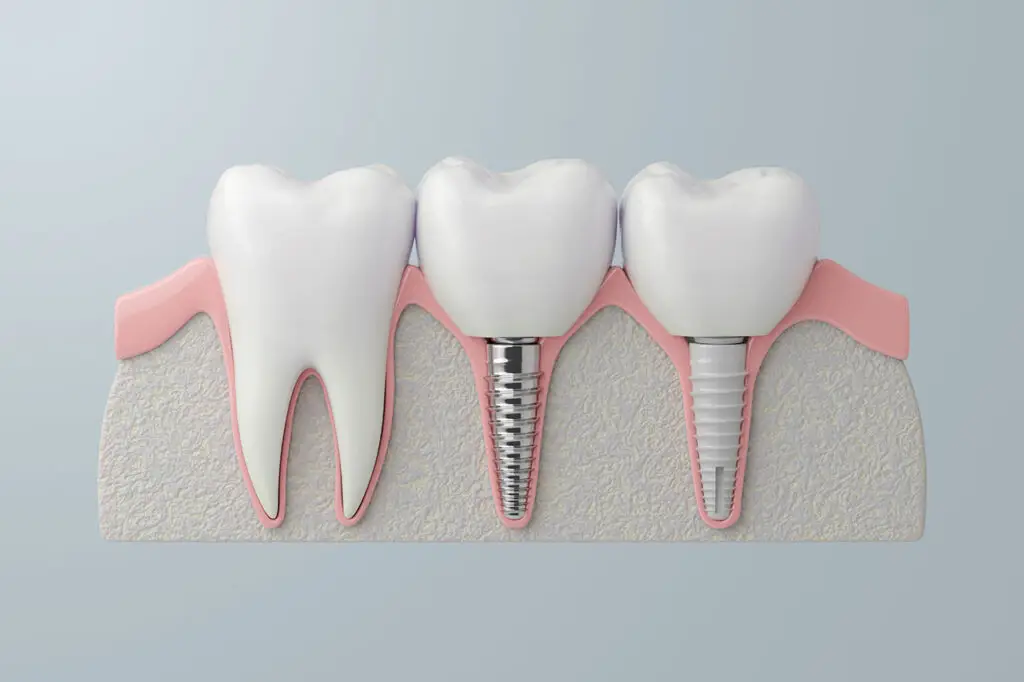
A dental implant does more than fill an empty space. Instead, it replaces the root portion of a missing tooth and creates a stable foundation for a dental restoration.
The implant itself is typically a small titanium post placed into the jawbone. During healing, the surrounding bone gradually integrates with the implant. This process helps create the stability needed to support a replacement tooth.
After healing, the implant can support a dental crown when one tooth is missing. In other situations, multiple implants may support a bridge or a larger restoration for patients missing several or all of their teeth.
It is important to distinguish the implant from the restoration attached to it. The implant post may remain healthy and stable for many years, while the crown, bridge, or other restoration may eventually experience normal wear and require maintenance or replacement.
How Long Can Dental Implants Last?
There is no single expiration date for dental implants. Every patient’s mouth, health history, habits, and restoration are different. However, dental implants are specifically designed as a long-term form of tooth replacement.
The implant post is protected beneath the gumline and integrated with the jawbone. As a result, it does not experience cavities in the same way a natural tooth does. However, the gum and bone surrounding an implant still need regular care.
The visible restoration above the implant experiences everyday forces from chewing and biting. Therefore, it may require repair or replacement sooner than the implant post itself.
Rather than thinking about dental implants as a treatment that lasts a predetermined number of years, it is more helpful to think of them as a long-term restoration that requires ongoing maintenance. Consistent brushing, cleaning around the implant, professional dental visits, and attention to changes in your bite can all help protect your result.
What Factors Affect the Lifespan of Dental Implants?
Several factors can influence how well a dental implant performs over time. Some relate to treatment planning, while others involve what happens after the implant has healed.
Bone Health
A dental implant depends on the jawbone for support. Therefore, having sufficient healthy bone is an important part of implant planning. Digital imaging can help the dentist evaluate the available bone and determine the appropriate position for an implant.
If significant bone loss is present, additional treatment may sometimes be considered before or during implant placement. Every situation is different, which is why a detailed evaluation is an essential first step.
Healthy Gums
Although an implant cannot develop a cavity, the tissue surrounding it can become inflamed or infected. Consequently, gum health remains important after tooth replacement.
Regular brushing, appropriate cleaning between teeth, and professional dental care can help keep the tissues around an implant healthy. Meanwhile, routine examinations give your dental team an opportunity to identify changes before they become larger concerns.
Your Bite
Dental implants are designed to handle normal chewing forces. However, excessive pressure can place additional stress on the restoration.
For example, patients who grind or clench their teeth may create stronger forces than expected during sleep. If this applies to you, your dentist may discuss strategies for protecting your teeth and restorations.
Daily Oral Hygiene
Good home care remains essential after dental implant treatment. Brushing twice each day and cleaning carefully around the implant can help control plaque and support gum health.
Depending on the type of implant restoration you have, your dental team may also recommend specific flossing techniques or other cleaning tools. The goal is straightforward: keep the areas around the implant clean and healthy.
Regular Dental Visits
Routine dental appointments are another important part of protecting dental implants. During these visits, your dentist can evaluate your implant, restoration, gums, bite, and neighboring teeth.
In addition, professional cleanings help remove deposits that may be difficult to manage at home. These visits also provide an opportunity to discuss any changes you have noticed.
Benefits of Dental Implants
Dental implants have become an important tooth replacement option because they address both appearance and function. Depending on your individual needs, potential advantages may include:
- Stable tooth replacement: An implant is anchored in the jaw rather than resting only on the gums.
- Natural-looking results: Implant restorations can be designed to complement the shape and shade of surrounding teeth.
- Improved chewing ability: Stable support can make eating a wider range of foods more comfortable.
- Support for the jawbone: An implant transfers biting forces into the bone in a way that resembles a natural tooth root.
- No need to rely on neighboring teeth: A single dental implant can replace a missing tooth without requiring adjacent teeth to support a traditional bridge.
- Versatile treatment options: Implants may replace one tooth, several teeth, or help support a full-arch restoration.
- Long-term potential: With appropriate care, implants are designed to function as a durable tooth replacement option.
Can Dental Implants Replace More Than One Tooth?
Yes. Dental implants are not limited to replacing individual teeth. In fact, implant dentistry can be adapted to several different patterns of tooth loss.
A single implant may support one crown. Meanwhile, strategically placed implants can support a bridge when several neighboring teeth are missing. For patients who have lost most or all of the teeth in an arch, implants may also provide support for a larger restoration.
This flexibility is one reason an implant consultation is important. The number of missing teeth does not necessarily determine the number of implants required. Instead, treatment is planned according to anatomy, bone support, bite, restorative needs, and other individual considerations.
What Happens During Dental Implant Treatment?
Dental implant treatment begins with an evaluation. At The Dental Boutique Naples, this process can include examining your teeth and gums, reviewing your goals, and using digital imaging to assess the structures beneath the gums.
If implants are appropriate, a personalized treatment plan can then be created. The implant is placed in the planned position, after which the area is given time to heal. During this period, the bone and implant develop a stable connection.
Once healing has progressed appropriately, the final restoration can be created and attached. The exact sequence varies depending on whether you are replacing one tooth, multiple teeth, or a complete arch.
Comfort is also an important consideration. Patients who feel anxious about dental procedures can ask about oral sedation dentistry and whether it may be appropriate for their treatment.
How Can You Help Your Dental Implants Last?
Your role does not end once implant treatment is complete. Fortunately, caring for an implant is usually compatible with the same habits that support the rest of your smile.
Brush thoroughly twice a day, clean between teeth and around the implant, and attend recommended preventive visits. In addition, contact your dentist if you notice persistent bleeding, swelling, discomfort, movement, or changes in the way your teeth meet.
Avoid using your teeth to open packages or bite extremely hard nonfood objects. These habits can damage both natural teeth and dental restorations.
Finally, follow any recommendations specific to your restoration. A single implant crown and a full-arch implant restoration may have different cleaning needs, so personalized instructions matter.
Frequently Asked Questions About Dental Implants
Are dental implants permanent?
Dental implants are designed as a long-term tooth replacement solution. The implant post may remain stable for decades with appropriate care, although the restoration attached to it can experience normal wear over time.
Can a dental implant get a cavity?
The implant itself cannot develop tooth decay. However, plaque and bacteria can affect the gums and supporting tissues around it, which is why good oral hygiene remains important.
Do dental implants require special cleaning?
Implants generally require consistent brushing and cleaning around the restoration. Your dental team may recommend specific techniques or tools based on the type of implant restoration you have.
Can I get an implant if I have been missing a tooth for years?
Possibly. However, bone can change after tooth loss. A dental examination and imaging are needed to determine whether adequate support is available and whether any additional treatment should be considered.
How do I know if dental implants are right for me?
The best way to determine candidacy is through an implant consultation. Your dentist can evaluate your oral health, bone structure, medical history, and tooth replacement goals before recommending treatment.
Explore Dental Implants in Naples, FL
Missing teeth can affect eating, speaking, oral health, and everyday comfort, but there are several ways to rebuild your smile. Dental implants offer a stable, natural-looking approach that can be customized for one missing tooth or more extensive tooth loss.
If you would like to learn whether dental implants are appropriate for you, contact The Dental Boutique Naples at (239) 399-5368 to schedule a consultation at our Naples, FL office.