
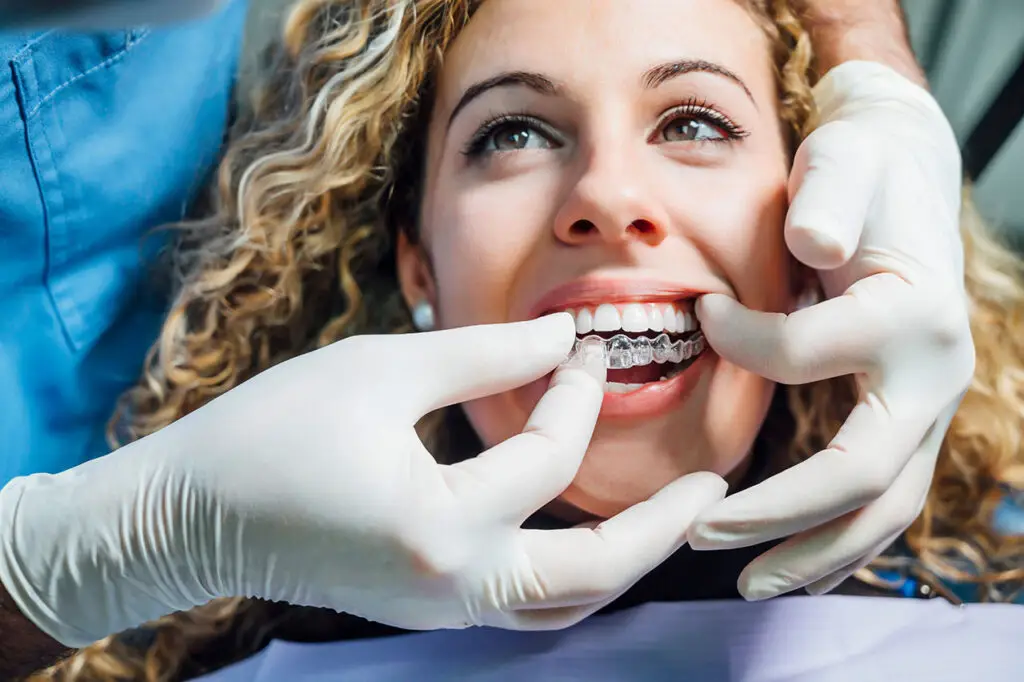
Have you thought about straightening your teeth but hesitated because traditional braces do not fit your lifestyle? Adults often want orthodontic treatment that works quietly in the background of professional meetings, social events, meals, and everyday life.
That is one reason Invisalign in Naples has become an appealing option for adults interested in improving tooth alignment without relying on traditional metal brackets and wires. Clear aligners are removable, discreet, and created around a digitally planned sequence of tooth movement.
However, Invisalign is still orthodontic treatment. Successful results depend on careful planning, consistent aligner wear, and regular progress evaluations. Understanding the process before starting can make treatment much easier to incorporate into your routine.
How Does Invisalign Work?
Invisalign uses a series of custom clear aligners to gradually guide teeth toward planned positions. Rather than tightening wires, treatment progresses by changing from one aligner to the next according to the schedule provided by your dentist.
Each aligner is designed to produce specific movement. Therefore, your trays are not simply clear retainers. They are part of a planned orthodontic sequence based on your current tooth positions and treatment goals.
Because the aligners are transparent and fit closely over the teeth, they tend to be much less noticeable than traditional braces. In addition, you can remove them when eating, brushing, and flossing.
Why Do Adults Choose Invisalign?
Adults pursue orthodontic treatment for many different reasons. Some never had orthodontic treatment when they were younger. Others wore braces years ago but experienced gradual shifting afterward. Meanwhile, some patients simply decide that now is the right time to address crowding, spacing, or bite concerns.
Clear aligners can be especially attractive for people who regularly meet clients, give presentations, attend events, or simply prefer a less noticeable treatment.
However, appearance is only one consideration. Because the trays are removable, adults can continue eating their normal foods. Brushing and flossing also remain relatively straightforward because there are no brackets or wires to navigate around.
What Happens at an Invisalign Consultation?
Your first appointment is about determining whether clear aligners are appropriate for your teeth and bite. Not every orthodontic concern should automatically be treated with Invisalign.
Your dentist will examine tooth position, spacing, crowding, bite relationships, and overall oral health. Digital scanning can then create a detailed representation of your teeth without relying on traditional impression material.
From there, a digital treatment plan can map anticipated tooth movement. This planning stage is important because each aligner depends on the movements that came before it.
You can also discuss your goals during the consultation. Perhaps one crowded area concerns you most, or maybe you want to improve your overall bite and alignment. Sharing those priorities helps create a plan that reflects what you hope to accomplish.
How Often Do You Wear Invisalign Aligners?
Clear aligners work only while they are on your teeth. Consequently, consistent wear is one of the most important responsibilities patients have during Invisalign treatment.
Patients are commonly instructed to wear aligners for most of the day and night, removing them primarily for eating, drinking beverages other than water, brushing, and flossing. Your dentist will give you instructions appropriate for your treatment.
It can take a few days to build new habits. For example, you may need to plan meals more deliberately instead of snacking throughout the day. However, many adults quickly develop a routine that makes aligner wear feel normal.
Benefits of Invisalign
Clear aligner treatment combines orthodontic movement with several lifestyle advantages that can be particularly useful for adults.
- Discreet appearance: Clear trays fit closely over the teeth and are designed to be relatively inconspicuous.
- Removable design: Aligners can be removed for meals and oral hygiene.
- No food restrictions caused by brackets: Because trays come out when you eat, there are no brackets that can be damaged by crunchy or sticky foods.
- Simple brushing and flossing: You can remove the aligners and clean your natural teeth normally.
- Digital planning: Invisalign treatment is mapped digitally so tooth movements can be planned in advance.
- Smooth aligner material: There are no metal brackets or wires inside the mouth.
- Suitable for many adult lifestyles: Clear aligners can be easier to incorporate into work, travel, and social schedules.
Can You Eat Normally With Invisalign?
One of the conveniences of Invisalign is that the aligners are removed when you eat. Therefore, treatment does not create the same food restrictions commonly associated with fixed braces.
However, you should avoid eating while wearing your trays. In addition, beverages other than water can create problems when consumed with aligners in place. Sugary liquids can become trapped against the teeth, while dark beverages may discolor the trays.
After eating, clean your teeth before putting your aligners back in whenever possible. This habit helps prevent food particles and sugars from remaining trapped beneath the trays.
Does Invisalign Hurt?
It is normal to notice pressure when beginning a new aligner. After all, the purpose of the tray is to encourage controlled tooth movement.
However, this pressure is generally different from sharp dental pain. Many patients describe the first day or two with a new set of trays as a feeling of tightness. As the teeth begin responding to the aligner, that sensation often becomes less noticeable.
If an aligner causes unusual pain or does not appear to fit correctly, contact your dental office rather than attempting to modify the tray yourself.
How Long Does Invisalign Treatment Take?
Treatment time varies considerably because orthodontic needs differ from person to person. Mild spacing or crowding may require a different timeline than more extensive tooth movement or bite correction.
Your consistency also matters. Because Invisalign is removable, wearing the aligners according to instructions helps keep treatment moving according to plan. Frequently leaving trays out can delay progress.
Regular progress appointments also matter. These visits allow your dentist to confirm that the teeth are tracking as expected and make adjustments when necessary.
What Happens After Invisalign?
Completing your final aligner is an exciting milestone, but maintaining the new tooth positions is the next part of treatment.
Teeth can shift after orthodontic treatment. Therefore, retainers are commonly recommended to help preserve your result. Your dentist will explain how frequently to wear your retainer and how to care for it.
Long-term retention should be viewed as part of orthodontic treatment rather than an optional extra. After investing time in moving your teeth, protecting their new positions helps preserve the result.
Can Invisalign Be Combined With Other Dental Treatment?
Yes, depending on your needs. In fact, orthodontic treatment is sometimes one part of a broader dental plan.
For example, some patients straighten their teeth before considering cosmetic treatment. Once alignment has improved, a dentist can more accurately evaluate whether additional changes are desired.
Patients considering porcelain veneers may also benefit from discussing tooth alignment first. In certain cases, orthodontic movement may reduce how much cosmetic treatment is needed. In other situations, veneers may be more appropriate for concerns involving tooth shape, color, or proportions.
The appropriate sequence depends entirely on your smile, which is why comprehensive planning can be valuable.
Keeping Your Teeth Healthy During Invisalign Treatment
Because aligners fit closely against the teeth, maintaining oral hygiene is important. Brush thoroughly and floss every day. In addition, keep the trays clean according to the instructions provided by your dental team.
Avoid putting aligners back over teeth that are coated with food or sugary residue whenever possible. Otherwise, the trays can hold that material against the enamel.
Routine preventive dental care should continue during orthodontic treatment as well. Invisalign does not replace regular cleanings or dental examinations.
Frequently Asked Questions About Invisalign
Is Invisalign suitable for adults?
Yes. Adults of many ages pursue clear aligner treatment. Candidacy depends more on your teeth, gums, bite, and treatment needs than on your age alone.
Will people be able to see my Invisalign trays?
Clear aligners are designed to be discreet and fit closely against the teeth. They may be visible at close range, but they are generally much less noticeable than traditional metal braces.
Do I take Invisalign out to eat?
Yes. Aligners should generally be removed for meals and snacks. They should also be removed for beverages other than water unless your dentist gives you different instructions.
Can I brush normally during Invisalign treatment?
Yes. Because the aligners are removable, you can brush and floss without working around fixed brackets and wires.
Will I need a retainer afterward?
Retainers are commonly used after orthodontic treatment to help maintain the new tooth positions. Your dentist will provide a retention schedule based on your needs.
Discover Whether Invisalign Fits Your Lifestyle
Clear aligners can make orthodontic treatment easier to integrate into an adult lifestyle, but the most important part of Invisalign is still the treatment plan behind the trays. A thorough evaluation can determine what needs to move, how those movements should happen, and whether Invisalign is appropriate for your goals.
To explore Invisalign in Naples, contact The Dental Boutique Naples at (239) 399-5368 to schedule a consultation and learn what clear aligner treatment could look like for you.